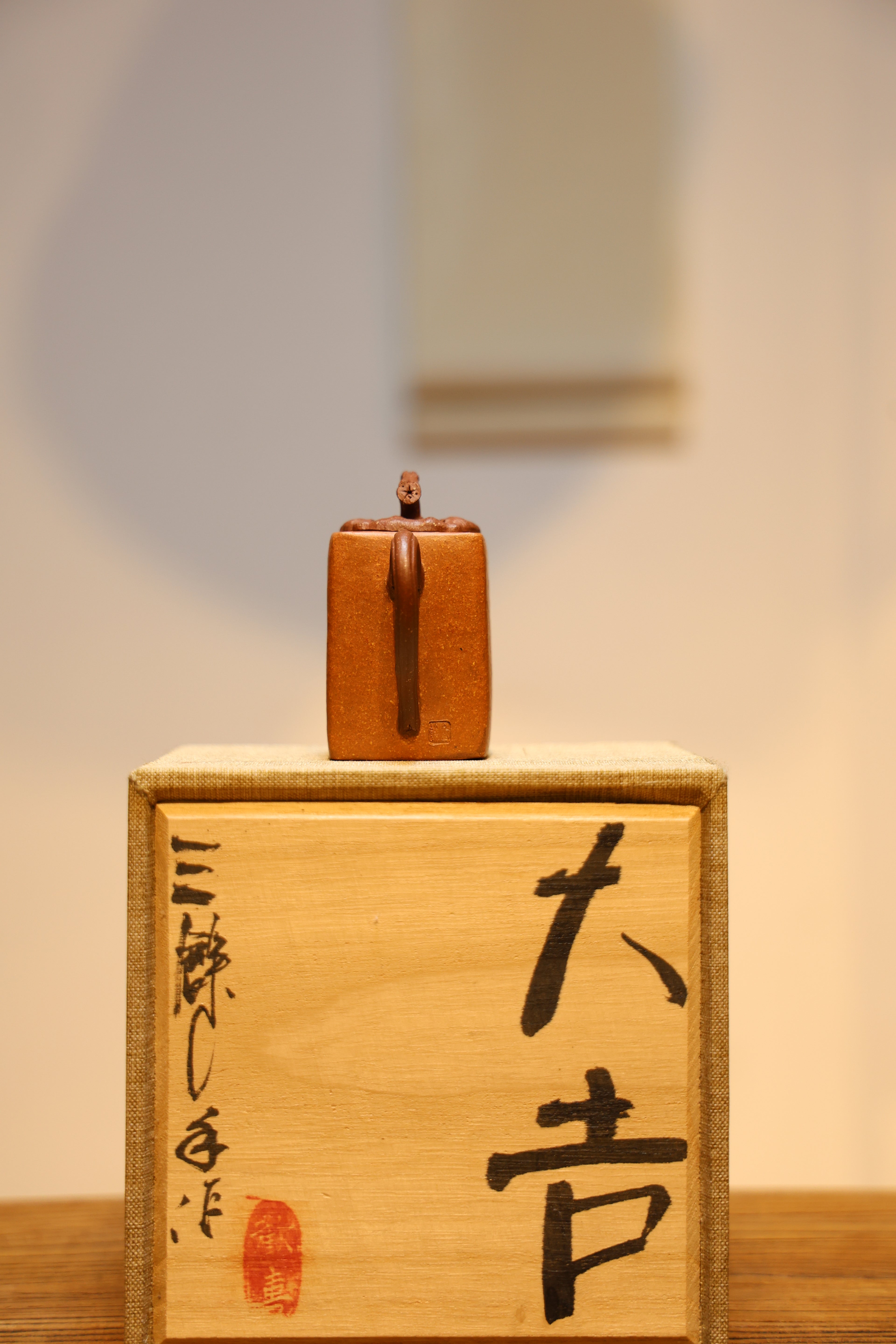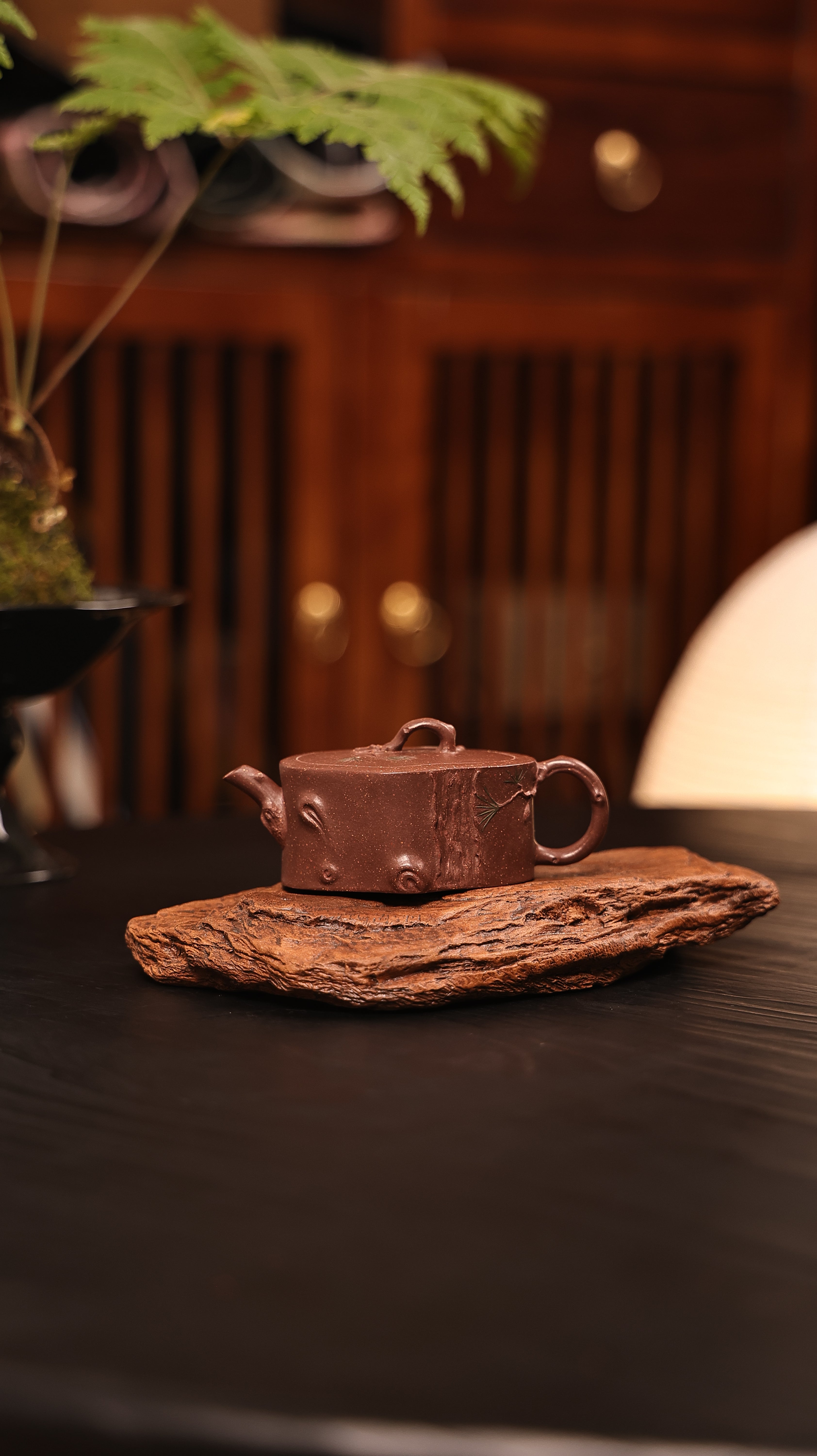
Timeless legacy marks Minjiang teapots within eras,
Embodying unique traits derived through territorial amethyst components, the urns develop a patina over application, improving aroma drawn from infused beverages.
Discovering Yixing Material: Comprehensive Insights into Zisha
Multiple devotees appreciate the incomparable grain of Yixing violet clay, a bedrock of classic Chinese ceramics. Originating from the Yixing region of Jiangsu province, this notable clay demonstrates an delicate mineral configuration, so that offers fabulous qualities to the finished teapots. Variants within Zisha, including Zi Mud, Duan Ni Mud, and Jiang Xi Mud, each displays separate tones, consistencies, and baking traits, determining the diffusibility and the terminal aroma development of the liquid.
Mandarin Pitcher Heritage: Examining Expertise
Far Eastern teapots embody exceeding mere vessels for concoction; they exemplify centuries of traditional sophistication. From the exemplary Yixing clay variations, respected for their breathable nature which infuses extraordinary accents to the liquid, to the ornate porcelain from Jingdezhen, each piece conveys a tale of artistry. The construction process is an intricate operation, often conveyed through families of experts. These craftsmen use long-standing techniques such as hand-building, sculpting on wheels, and decorating, demonstrating profound reverence for the component and the discipline itself. Imagine the labor invested in each piece as a symbol of Chinese ceramic legacy.
- Chinese pots: a esteemed choice.
- Porcelain teapots: acclaimed as their fragile design.
- Modeling techniques: a challenging yet fruitful procedure.
Purple Clay Pitcher Care: Caring for Your Cherished Item
Optimal maintenance of your distinguished Yixing Zisha jar is essential to securing its value. Crafted from famous purple sand compound, these exquisite teapots acquire a deep patina after service, decidedly boosting their allure. Refrain from chemicals; a easy rinse with warm aqueous is capable. Do not searing water for refreshing the teapot, as it may harm its material. Allow it to desiccate away from intense sunshine. Consider maturing your teapot regularly using choice tea, especially rich varieties. Here is a brief checklist:
- Swill with softly heated liquid.
- Eschew cleansers.
- Provide it to air dry.
- Cure with premium tea.
Roots of Yixing Teapots: Foundational Periods
The story of Yixing teapots starts plainly during the Qing dynasty, near the 16th age. Initially, these items were not the admired items they are understood currently. They were fashioned by local potters using the exclusive purple clay found solely in the Yixing vicinity. These early creations were primarily utilitarian, designed for everyday application and often basic in appearance. It was not until the later dynasty that they started to earn recognition beyond mere functional articles.
Selecting the Fitting Traditional Jar: A Elementary Reference
Exploring the universe of Yixing teapots can be challenging, but avoid concern! For beginners, the primary factor is understanding the sediment. Legitimate Yixing clay is prized for its transparency, allowing the teapot to hold the tea's aroma over time, enhancing every developing session. Assess the outline; traditional circular shapes prevail, yet subjective preferences matter. Lastly, check the overlay—while some favor an natural appearance, others enjoy a faint gloss. Take your time in the procurement process—this is an purchase in a prized piece of craftsmanship.
Native Clay Urns and Their Effect on Chinese Tea Ceremony
Zisha pots, originating from Yixing, China, have profoundly dictated enduring Chinese beverage culture. The Yixing clay teapots, prized for their singular hue, makeup, and exceptional ability to impart a subtle bouquet to the tea, act as more than mere vessels; they are cherished creations and symbols of prestige. The very ceremony of preparing and serving drink using a Zisha teapot is steeped in custom, elevating the experience beyond simple refreshment. Epochs of artisans have perfected their techniques, passed down through tribes, resulting in highly valued pieces. For this reason, Zisha teapots are frequently preserved, playing a crucial part in cultivating Sino appreciation for aesthetics and the tradition of tea ceremonies.
- Signature Clay Composition
- Imparting Subtle Flavor
- Exquisite Craftsmanship
Identifying Original Valuable Regional Pottery
Procuring a authentic Yixing teapot can be a satisfying experience, but the market is often plagued with knockoffs. Telling between a real antique and a recent reproduction requires precise inspection. Key clues include the clay's mahogany shade, often displaying striped textures, and the void of modern kiln imprints. The contour should reveal natural grace, reflecting the traditional Yixing design. Finally, checking the maker's inscription is paramount to verify genuineness against recorded testimonies.
- Assess the clay's grain.
- Look for defects, indicative of crafted quality.
- Consult an professional for evaluation.
Buying Eastern Earthenware: A Elaborate Guide to Purple Clay Interpretation
The environment of Traditional Zisha pottery affords a significant chance for Yixing Teapot discerning investors. Continuously, the valuation of these well-made artifacts is influenced by several conditions, such as the level of material, the proficiency of the fabricator, the legacy significance, and, naturally, the present trade. Novices should emphasize on studying the multiple classes of Zisha clay—such as Frosted Water, Silent Urn, and Blush Clay—and examining the qualities linked to each. Attentive evaluation of the item's outline, complexion, and badge is correspondingly paramount to make educated judgments when investing.