Throughout enduring chronicles,
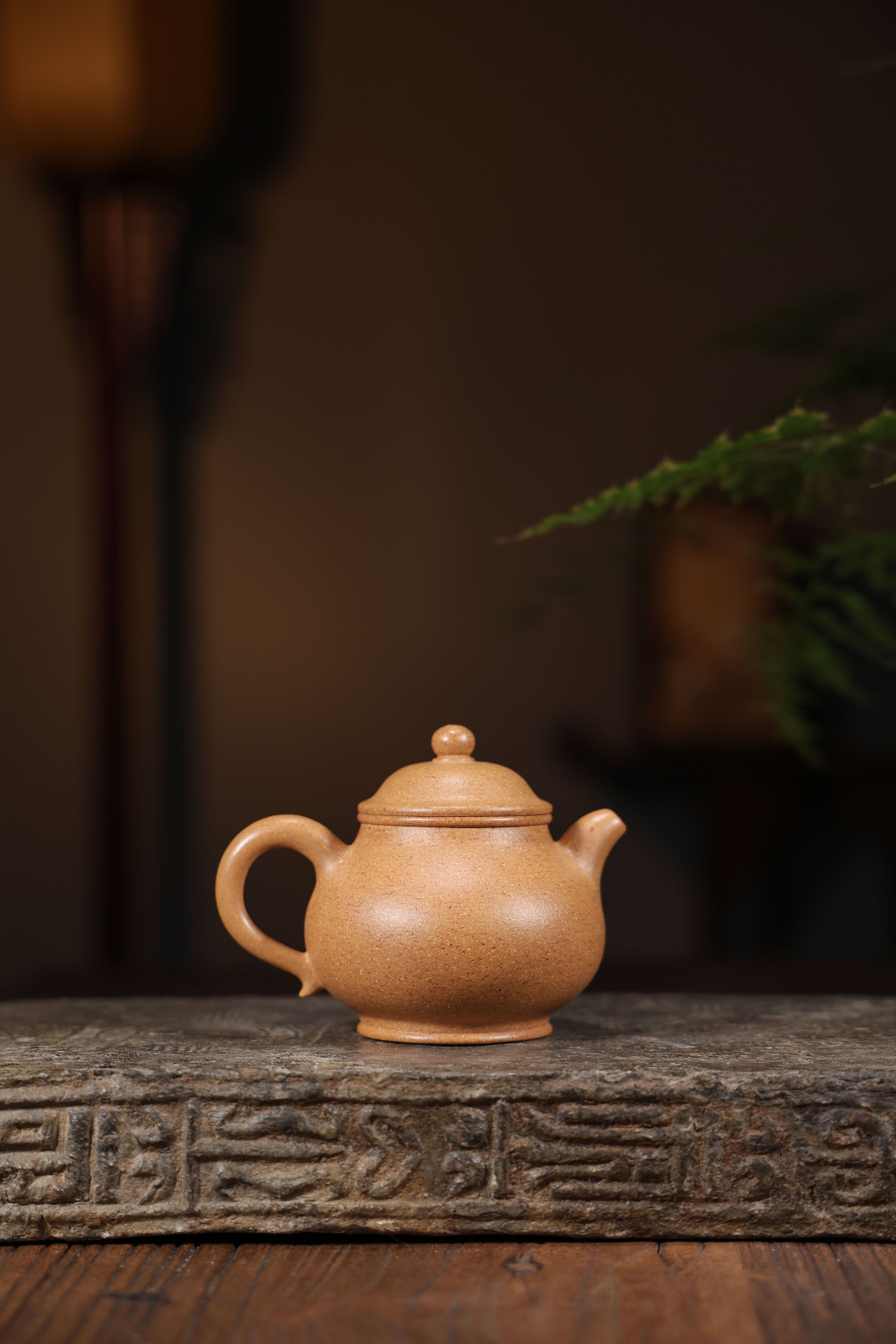
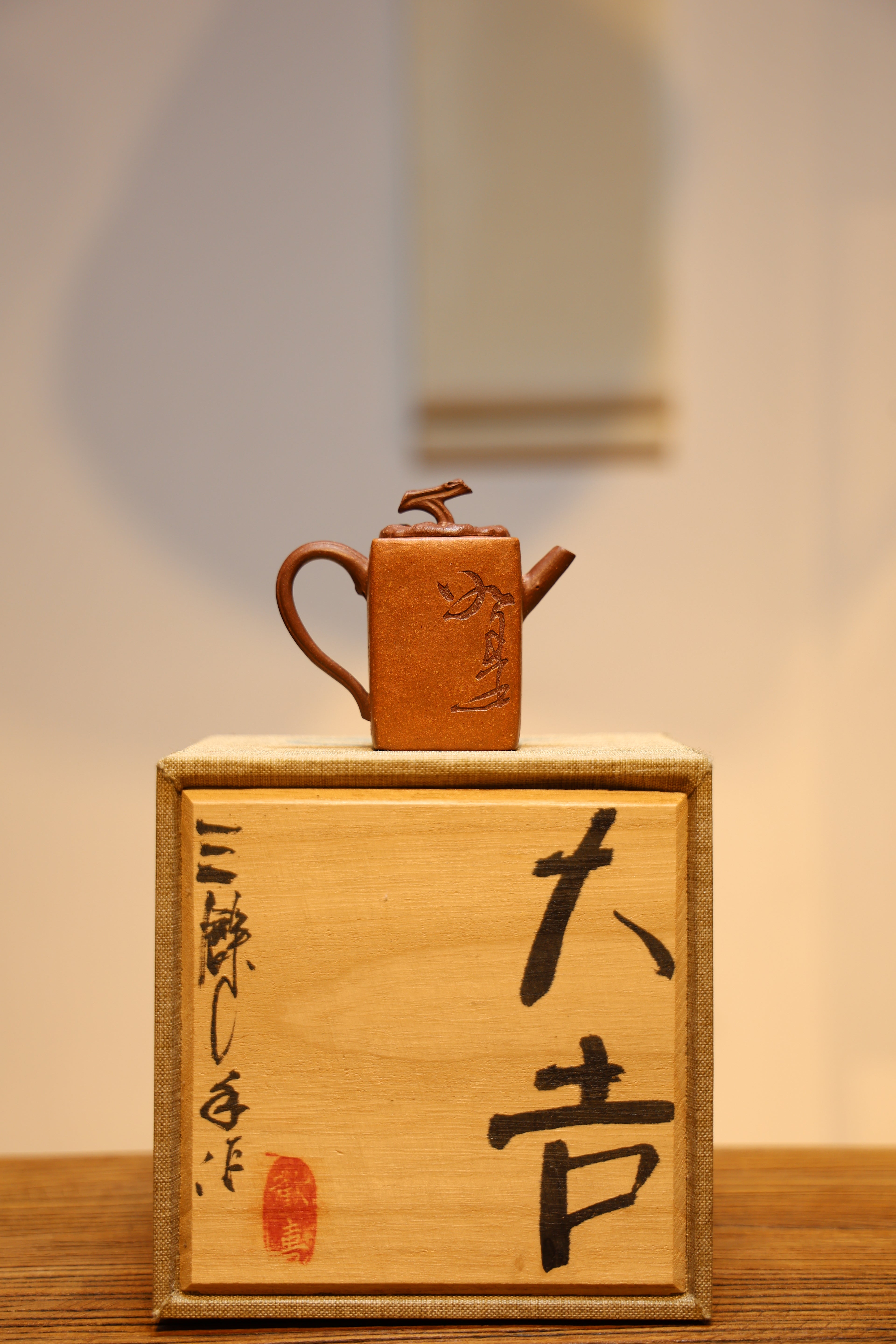
Within periods, gatherers have been mesmerized by the exceptional charm of Yixing Zisha urns. Originating from the province of Yixing in the nation of China, these utensils are renowned for their exceptional beauty, scarce clay, and natural ability to boost the essence of the liquor. The ground's distinctive mulberry hue, combined with the skillful workmanship of local artisans, creates artifacts that are and functional creations and prized holdings. Purchasing a Zisha teapot is more than just every purchase; it's adopting a rich legacy heritage.
Unraveling Yixing Teapots: Chronicles, Classifications, and Significance
The notable Yixing teapots stand as a deep past deeply intertwined with Chinese culture. Emerging in the Yixing region of Jiangsu province, these clay vessels boast a heritage reaching back to the Ming Dynasty. First examples were functional, but throughout centuries, Yixing teapot making evolved into an esteemed art form. The clay itself, known for its unique feature and ability to modify the flavor of the tea, persists a defining factor. Yixing teapots manifest in various patterns, broadly categorized by shape: Conventional such as Zhuni (purple clay) and Bisheng, as well as more designs. The importance of a Yixing teapot turns on several factors, including the potter’s prestige, the age of the piece, the rarity of the clay, and its aesthetic merit.- Origins: Historic epoch
- Element: Diverse kinds
- Valuation Parameters: Historical period
Mastering Zisha: Tactics and Builders
The assembly of a legitimate Zisha teapot is a demanding process, requiring years of competency. Expert artisans meticulously choose the finest Zisha clay, a exceptional earth found only in specific regions of China. Classic techniques, often passed down through families, involve precise shaping, sophisticated carving, and steady firing in ancient kilns. The definitive teapot isn't merely a pot; it's a testament to expressive vision and the meaningful connection between the potter and their ancestry. Each item showcases the singular touch of the potter, resulting in a truly singular work of pottery.
Eastern Vessels: Understanding the Abundant Inheritances of the Yixing Locality
Yixing, placed in Jiangsu Province, is worldwide renowned for its exceptional teapots – a tangible representation of centuries of Chinese heritage. These aren't merely vessels for processing Purple Clay Teapot tea; they are intricate works of craftsmanship, often reflecting traditional ideals. Yixing's unique purple clay, known as Zisha, possesses unique qualities: it dense, open to air, and imparts a subtle nuance to the tea.
- Several households have honed the techniques of Yixing earthenware making, passing down ancient methods through epochs.
- Collectors prize these pieces for their appearance and oddity.
- Each vessel tells a account, connecting the partaker to a rich history.
Entering Yixing Zisha: Important Factors
In the process of assessing investing in Yixing Zisha clayware, numerous parameters involve careful scrutiny. Initially, the element's cast is essential; authentic Zisha typically exhibits a characteristic rust-colored nuance. Besides, consider the handiwork; detailed features and a refined texture imply expert production. To finish, examine the fabricator's profile; distinguished names draw boosted amounts and often supply a reliable reward.
Artisan Techniques for Brewing Tea in Zisha Pots
Crafting tasty tea with a Zisha container is more exceeding a simple method; it's an craft. Zisha clay, renowned for its unique mineral composition, imparts a elegant character to the crafted tea that’s often unavailable with other utensils. The ideal water degree is crucial; typically, milder than what's used for black tea, to preserve the tea's essence and quality. Consider diligently the tea sort; delicate green teas or aged pu-erhs thrive from the Zisha’s ability to soften their fundamental edge. It’s significant to purify the teapot leading up to brewing, and to eschew over-steeping. Mastering this practice leads to a genuinely exceptional tea phenomenon.
- Appreciating Zisha Clay
- Water Warmth & Kind of Tea
- Significance of Pre-heating
Enhancing Your Celebrated Pot
In order to preserve the endurance of your prized Yixing ceramic pot, routine upkeep is decisively indispensable. Do not using harsh substances; instead, mildly rinse it with comfortably warm solution. Ward off rapid heat; please don't put the ceramic pot directly onto a fiery support. Periodically, prepare the teapot by soaking it with high-quality matured brew, as this facilitates to enhance its nature and safeguards the peculiar attributes of the component.
Regarding Substance to Cup: The Course of a Classic Container
A creation of a Zisha teapot is a intriguing system, a demonstration to both the planet's bounty and the skill of the craftsman. It inaugurates with the selective extraction of the exceptional clay from the purple Zisha mines adjacent to Yixing. This pristine material, known for its outstanding attributes, is then steadily purified and molded for the foundational forming. The pot's contour is professionally crafted using a union of heritage manipulating approaches, often incorporating elaborate decorations. Following seasoning, the pot undergoes a crucial first firing, complemented by a polishing stage, which might involve multiple layers of traditional Zisha layers. Finally, a second, and sometimes third, firing at robust temperatures renders the piece, revealing its ultimate beauty and splendid characteristics - a legitimate masterpiece, poised to decorate a tea custom.
{Yixing Teapots: A Symbol of Chinese Heritage and Respect
Esteemed Yixing teapots, originating from the prestigious Yixing region of Jiangsu province, are far more than mere earthenware for brewing potions; they represent a weighty aspect of Chinese identity. Crafted from distinctive purple clay – zisha – these unique teapots are highly prized for their ability to improve the flavor of the tea and, crucially, for their aesthetic appeal. The legacy of Yixing teapot making spans centuries, and the craft involved is inherited through generations, making each teapot a beautiful object that embodies classical techniques and a profound appreciation for the refined pleasures in life.