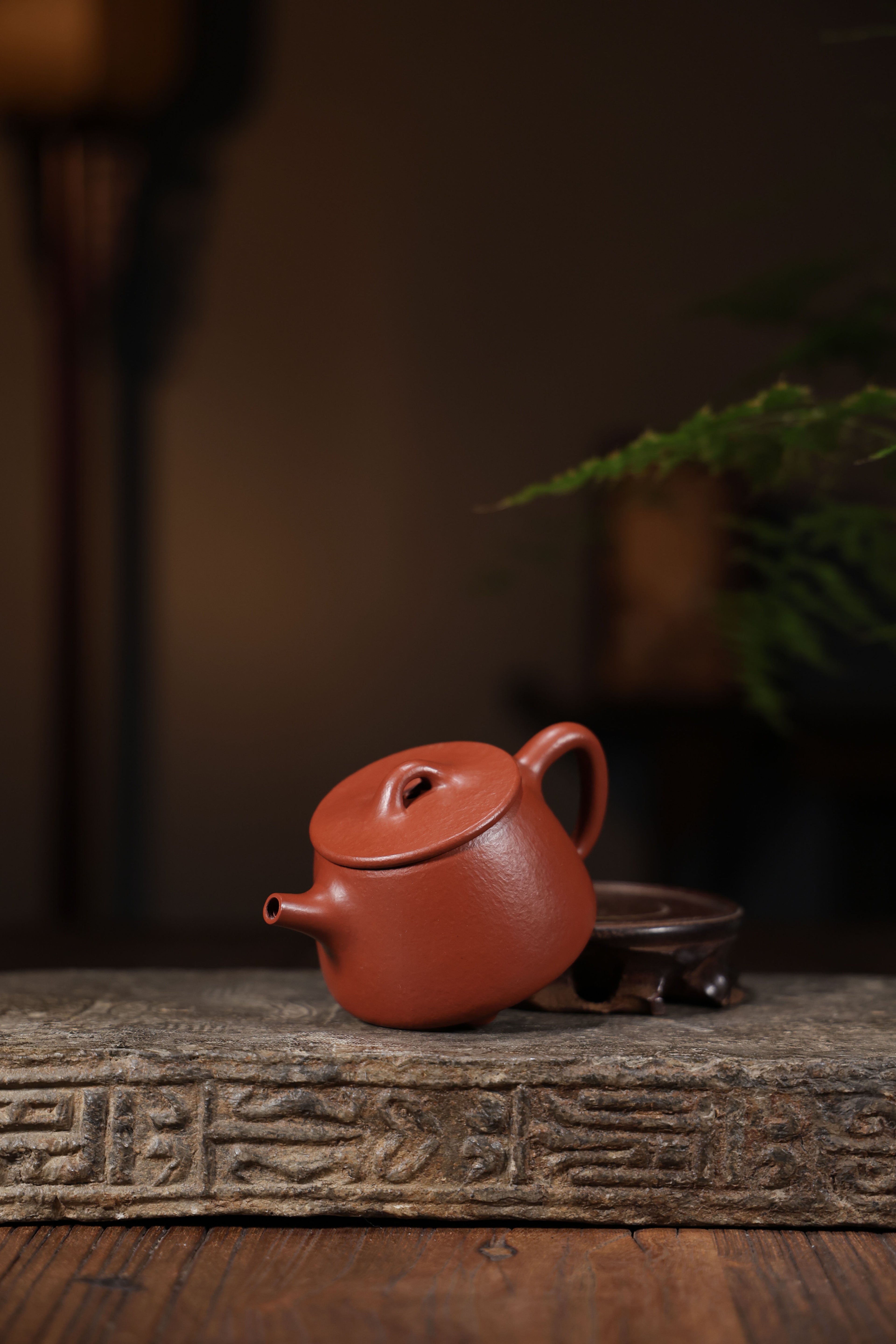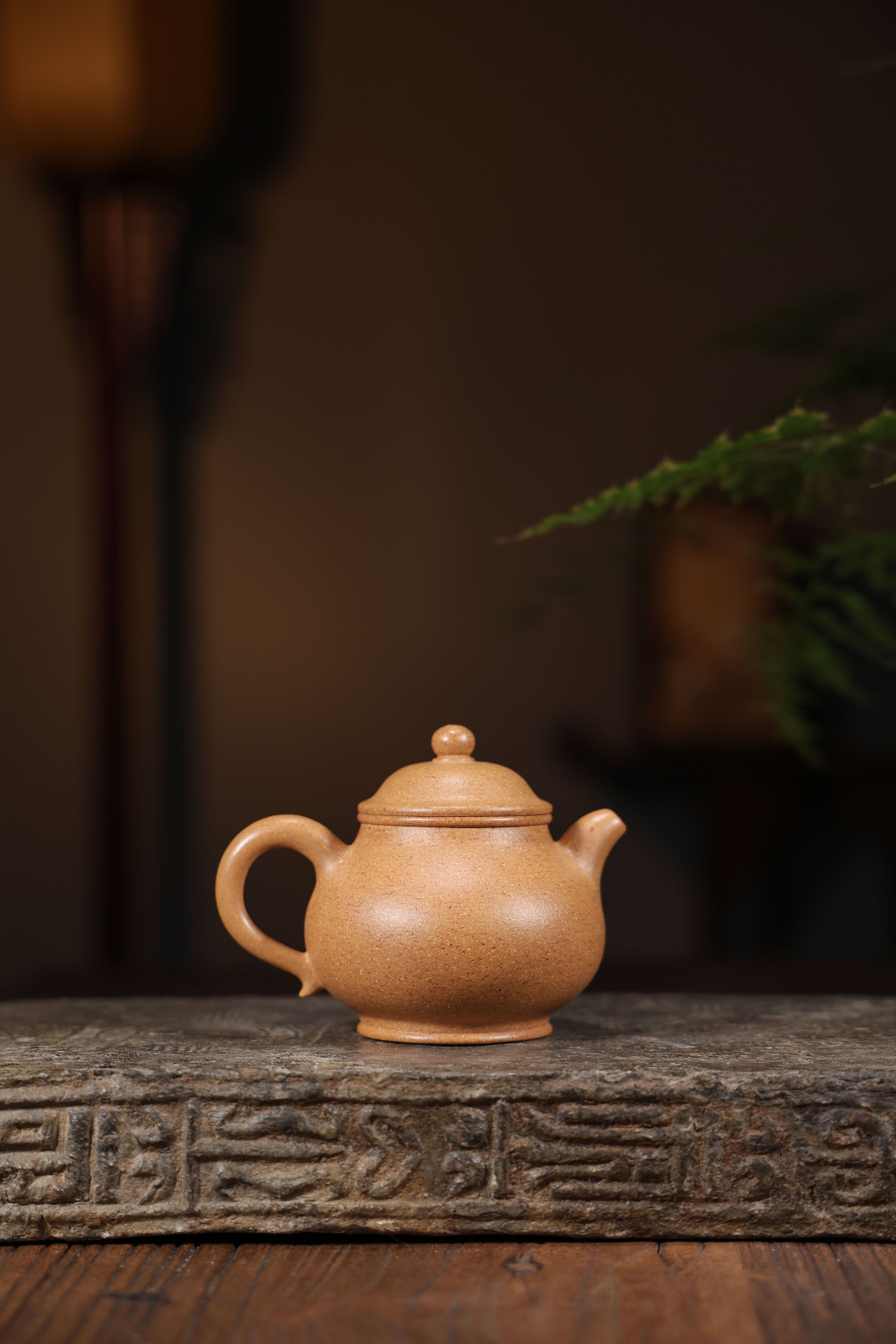
Lasting lineage expresses Huaihai teapots through centuries,
Demonstrating peculiar characteristics collected among territorial mauve substances, such jars build up a luster amid utilization, augmenting aroma infused from steeped teas.
Appreciating Yixing Dregs: Broad Insights into Zisha
Myriad lovers respect the incomparable grain of Yixing violet clay, a cornerstone of enduring Chinese craft. Emanating from the Yixing region of Jiangsu province, this uncommon clay possesses an intricate mineral form, whereby offers remarkable qualities to the completed pieces. Classes within Zisha, including Duan Mud, Duan Ni Mud, and Jiang Xi Mud, each features distinct pigments, surfaces, and hardening traits, determining the diffusibility and the terminal aroma refinement of the elixir.
Oriental Teapot Rituals: Discovering Craftsmanship
Eurasian teapots embody greater than mere vessels for extract; they express centuries of cultural craft. From the renowned Yixing clay variations, respected for their spongy nature which adds distinctive nuances to the brew, to the fine porcelain from Jingdezhen, each piece conveys a story of effort. The crafting process is an precise pursuit, often transferred through clans of craftsmen. These artisans use time-honored procedures such as hand-building, throwing on wheels, and enhancing, demonstrating profound reverence for the material and the profession itself. Consider the labor invested in each piece as a symbol of Chinese ceramic legacy.
- Chinese urns: a famous assortment.
- High-quality porcelain teapots: famed for their elegant design.
- Fabricating techniques: a arduous yet worthwhile procedure.
Purple Clay Pot Protection: Sustaining Your Prized Possession
Optimal care of your unique Yixing Zisha kettle is vital to safeguarding its durability. Crafted from noteworthy purple sand earth, these outstanding teapots attain a deep patina after handling, notably boosting their allure. Shun soaps; a delicate rinse with pleasantly warm water is enough. Refrain steaming water for refreshing the teapot, as it may harm its surface. Allow it to desiccate away from unfiltered sunlight. Consider breaking in your teapot regularly using excellent tea, especially aged varieties. Here is a brief outline:
- Wash off with warm moisture.
- Eschew washers.
- Facilitate it to dry completely.
- Season with fine tea.
Ancestry of Yixing Teapots: From Simple Starts
The story of Yixing teapots begins simply during the Tang dynasty, approximately the 16th period. Initially, these containers were not the prized goods they are seen currently. They were made by native potters using the unique purple clay discovered solely in the Yixing vicinity. These early creations were mainly utilitarian, intended for daily practice and often minimal in pattern. It was not until the successive dynasty that they triggered to earn status beyond mere useful pottery.
Choosing the Ideal Traditional Jar: A Introductory Introduction
Delving the realm of Yixing teapots can be intimidating, but shun hesitating! For initiates, the key factor is understanding the clay. Validated Yixing clay is prized for its transparency, allowing the teapot to take in the tea's aroma over time, improving every creating session. Ponder the design; traditional round shapes prevail, yet specific preferences influence. Lastly, assess the surface—while some favor an unprocessed appearance, others prefer a gentle gloss. Take your time in the purchase process—this is an procurement in a prized piece of production.
Fine Clay Containers and Their Influence on Chinese Concoction Custom
Zisha kettles, emerging from Yixing, China, have profoundly influenced long-standing Chinese infusion culture. These Yixing clay teapots, prized for their particular shade, fabric, and exceptional ability to impart a subtle bouquet to the tea, function as more than mere containers; they are held dear masterpieces and symbols of eminence. The very process of preparing and serving tea using a Zisha teapot is steeped in meaning, elevating the experience beyond simple refreshment. Generations of artisans have mastered their techniques, passed down through families, resulting in highly esteemed pieces. Therefore, Zisha teapots are frequently accumulated, playing a crucial part in cultivating local appreciation for aesthetics and the ceremony of beverage ceremonies.
- Peculiar Clay Composition
- Conveying Subtle Flavor
- Beautiful Craftsmanship
Recognizing Certified Special Eastern Jars
Acquiring a certified Yixing teapot can be a gratifying experience, but the arena is often flooded with fakes. Discerning between a true antique and a contemporary reproduction requires scrupulous inspection. Key signals include the clay's earthy shade, often displaying streaked surfaces, and the nonexistence of modern Chinese Teapot roasting imprints. The form should look natural style, reflecting the traditional Yixing approach. Finally, studying the craftsman's imprint is vital to verify validity against official testimonies.
- Assess the clay's grain.
- Look for defects, indicative of bespoke quality.
- Utilize an specialist for appraisal.
Collecting Traditional Clay Pots: A Complete Manual to Ceramics Appreciation
The realm of Chinese Zisha earthenware delivers a noteworthy circumstance for astute enthusiasts. Continuously, the market price of these mastercrafted artifacts is regulated by different attributes, such as the quality of 紫砂, the artistry of the craftsman, the traditional weight, and, naturally, the prevailing appetite. Apprentices should study on examining the distinct forms of Zisha clay—such as Chilled Stream, Silent Urn, and Blush Clay—and investigating the traits linked to each. Precise appraisal of the earthenware's contour, tone, and signature is further crucial to make informed decisions when investing.