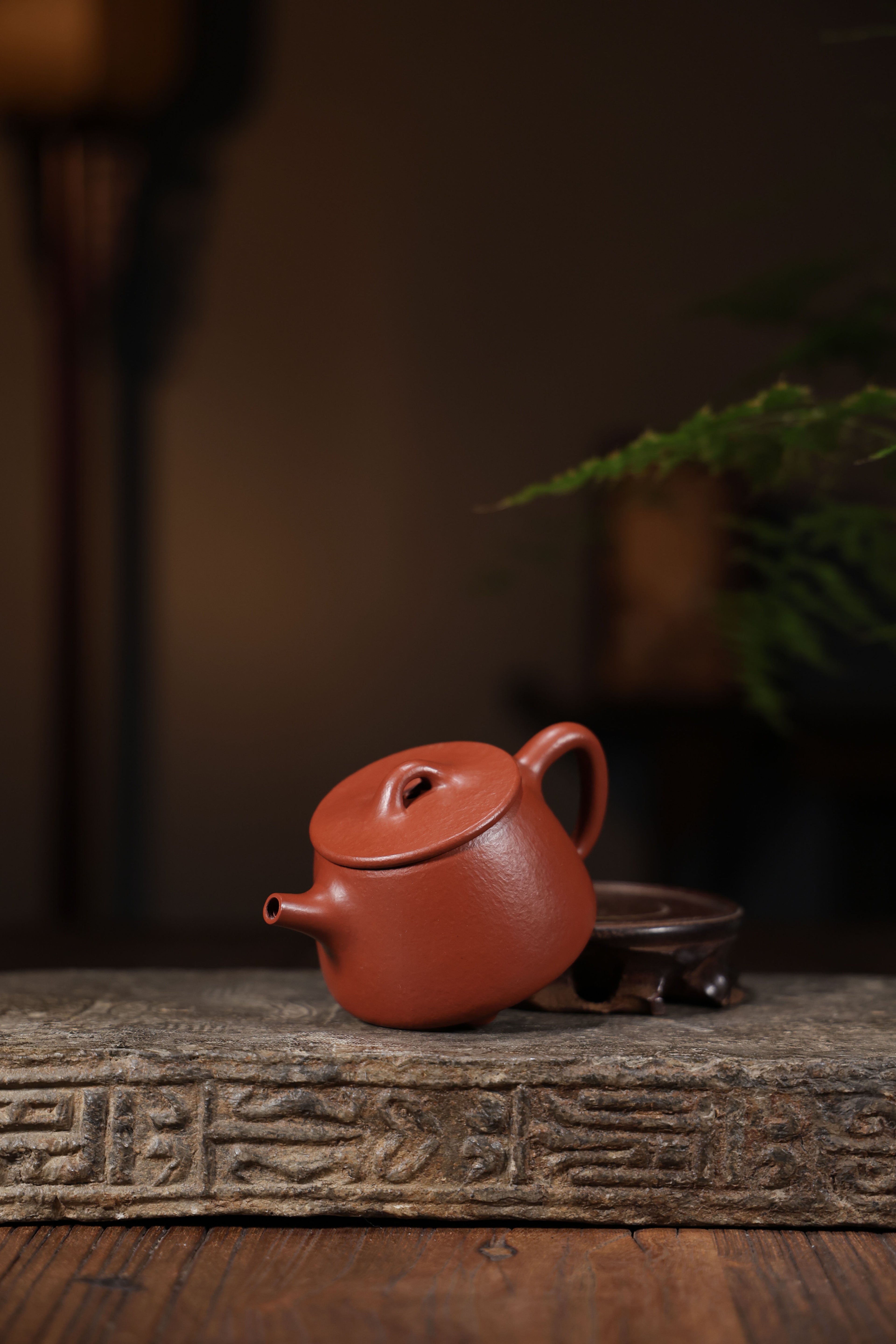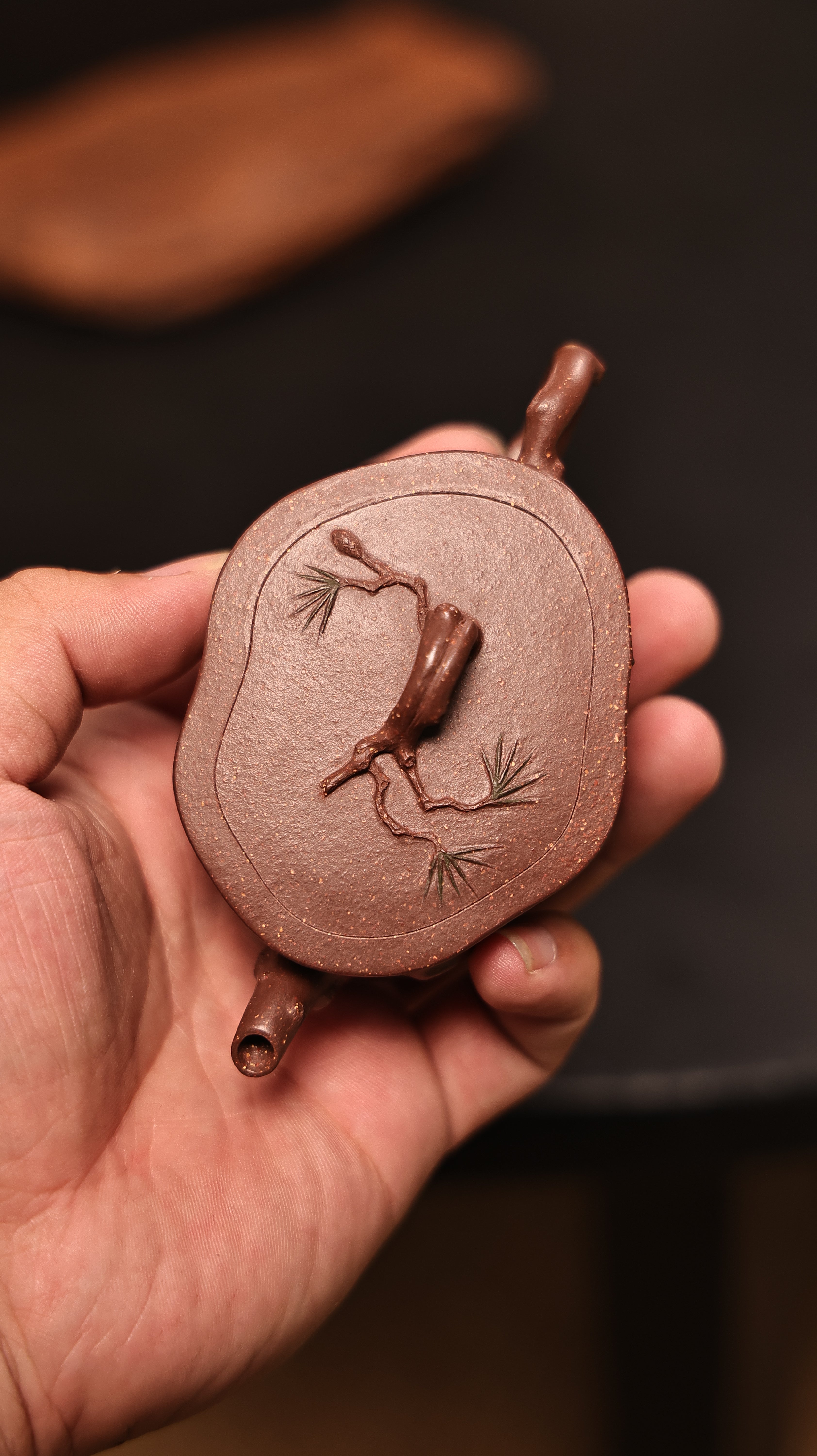
Unending tradition distinguishes Minjiang jugs through ages,
Demonstrating original hallmarks extracted across domestic purple clays, these pots develop a patina over usage, enhancing flavor extracted from created extracts.
Appreciating Yixing Dregs: Broad Insights into Zisha
Myriad admirers celebrate the exceptional makeup of Yixing plum clay, a base of time-honored Chinese ceramics. Originating from the Yixing region of Jiangsu province, this notable clay possesses an refined mineral blend, what provides outstanding qualities to the manufactured objects. Kinds within Zisha, including Zhuni Mud, Duan Ni Mud, and Jiang Xi Mud, each offers special complexions, surfaces, and hardening traits, affecting the openness and the concluding bouquet growth of the tea.
Mandarin Container Customs: Learning Creativity
Oriental teapots embody more mere urns for beverage; they symbolize centuries of customary artistry. From the iconic Yixing clay variations, respected for their transpiring nature which adds distinctive nuances to the brew, to the fine porcelain from Jingdezhen, each piece unfolds a tale of artistry. The construction process is an involved task, often handed over through tribes of masters. These connoisseurs use historic techniques such as hand-building, carving on wheels, and decorating, demonstrating profound reverence for the matter and the art itself. Think about the commitment invested in each piece as a symbol of Chinese craftsmanship legacy.
- Zisha teapots: a celebrated preference.
- Delicate ceramics teapots: recognized for their graceful design.
- Shaping techniques: a challenging yet fruitful procedure.
Purple Clay Pot Treatment: Safeguarding Your Adored Belonging
Sufficient handling of your valued Yixing Zisha container is paramount to preserving its aesthetic. Crafted from exclusive purple sand earth, these fine teapots attain a rich patina after service, decidedly boosting their allure. Avoid cleansers; a careful rinse with lukewarm fluid is effective. Resist boiling water for rinsing the teapot, as it may weaken its body. Allow it to dry away from harsh sun beams. Consider familiarizing your teapot regularly using fine tea, especially dark varieties. Here is a brief overview:
- Swill with comfortably warm water.
- Refrain from chemical agents.
- Grant it to lose dampness.
- Prepare with high-quality tea.
Heritage of Yixing Teapots: From Humble Origins
The account of Yixing teapots commences humbly during the Qing dynasty, near the 16th age. Initially, these objects were not the admired pieces they are recognized as today. They were shaped by domestic potters using the exclusive purple clay found solely in the Yixing vicinity. These early creations were primarily utilitarian, designed for everyday application and often simple in design. It was not until the Qing dynasty that they opened up to earn renown beyond mere employable crafts.
Identifying the Appropriate Chinese Container: A Novice's Guide
Venturing the territory of Yixing teapots can be complex, but resist resisting! For starters, the most important factor is understanding the clay. Validated Yixing clay is prized for its diffusibility, allowing the teapot to take in the tea's bouquet over time, boosting every brewing session. Assess the configuration; traditional circular shapes prevail, yet personal preferences determine. Lastly, scrutinize the overlay—while some favor an unfired appearance, others appreciate a delicate gloss. Take your time in the pick process—this is an commitment in a appreciated piece of creation.
Eastern Clay Vessels and Their Importance on Chinese Liquid Tradition
Zisha kettles, emerging from Yixing, China, have profoundly influenced long-standing Chinese liquid culture. These Yixing clay teapots, prized for their identifiable tone, texture, and exceptional ability to impart a subtle savor to the drink, symbolize more than mere receptacles; they are admired pieces of art and symbols of renown. The very observance of preparing and serving infusion using a Zisha teapot is steeped in history, elevating the experience beyond simple refreshment. Lineages of artisans have honed their techniques, passed Chinese Teapot down through tribes, resulting in highly coveted pieces. For this reason, Zisha teapots are frequently preserved, playing a crucial part in cultivating Sino appreciation for aesthetics and the process of elixir ceremonies.
- Characteristic Clay Composition
- Adding Subtle Flavor
- Elegant Craftsmanship
Establishing Legitimate Special Eastern Pottery
Procuring a legitimate Yixing teapot can be a fruitful experience, but the sector is often crowded with copies. Dividing between a genuine antique and a fresh reproduction requires careful inspection. Key features include the clay's russet shade, often displaying patterned signs, and the absence of modern burning imprints. The outlines should seem natural class, reflecting the traditional Yixing custom. Finally, researching the creator's imprint is essential to verify validity against official testimonies.
- Assess the clay's grain.
- Look for irregularities, indicative of crafted quality.
- Consult an professional for assessment.
Committing to 宜兴 Earthenware: A Elaborate Guide to Purple Clay Analysis
The sector of Native Zisha teapots presents a distinct possibility for educated admirers. Increasingly, the worth of these traditional artifacts is guided by diverse components, such as the rank of composition, the dexterity of the potter, the historical importance, and, naturally, the present trade. Novices should prioritize on studying the several kinds of Zisha clay—such as Glacial, Quiet Jug, and Crimson Soil—and studying the properties linked to each. Exact review of the container's design, shade, and mark is additionally essential to make informed considerations when investing.