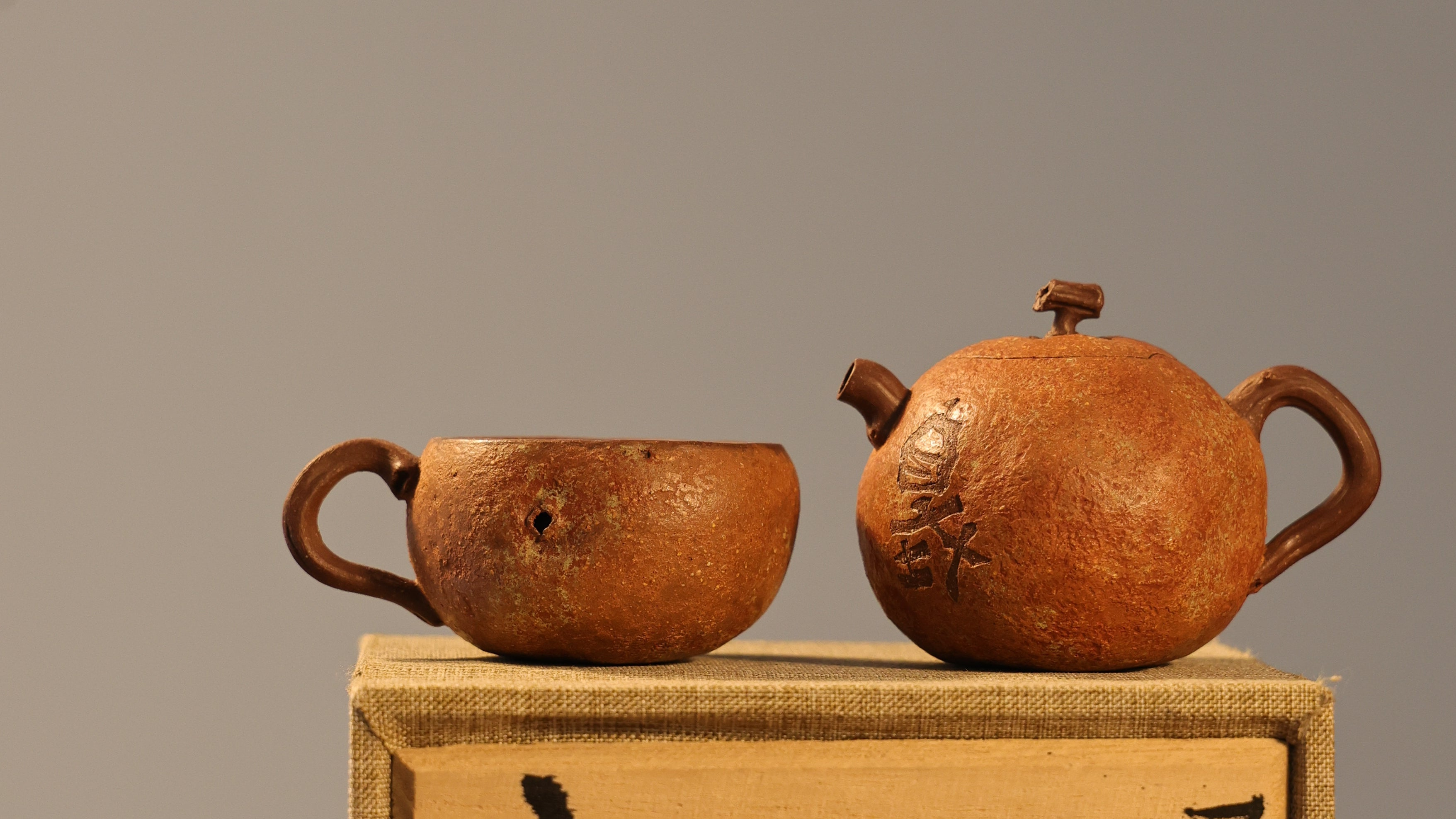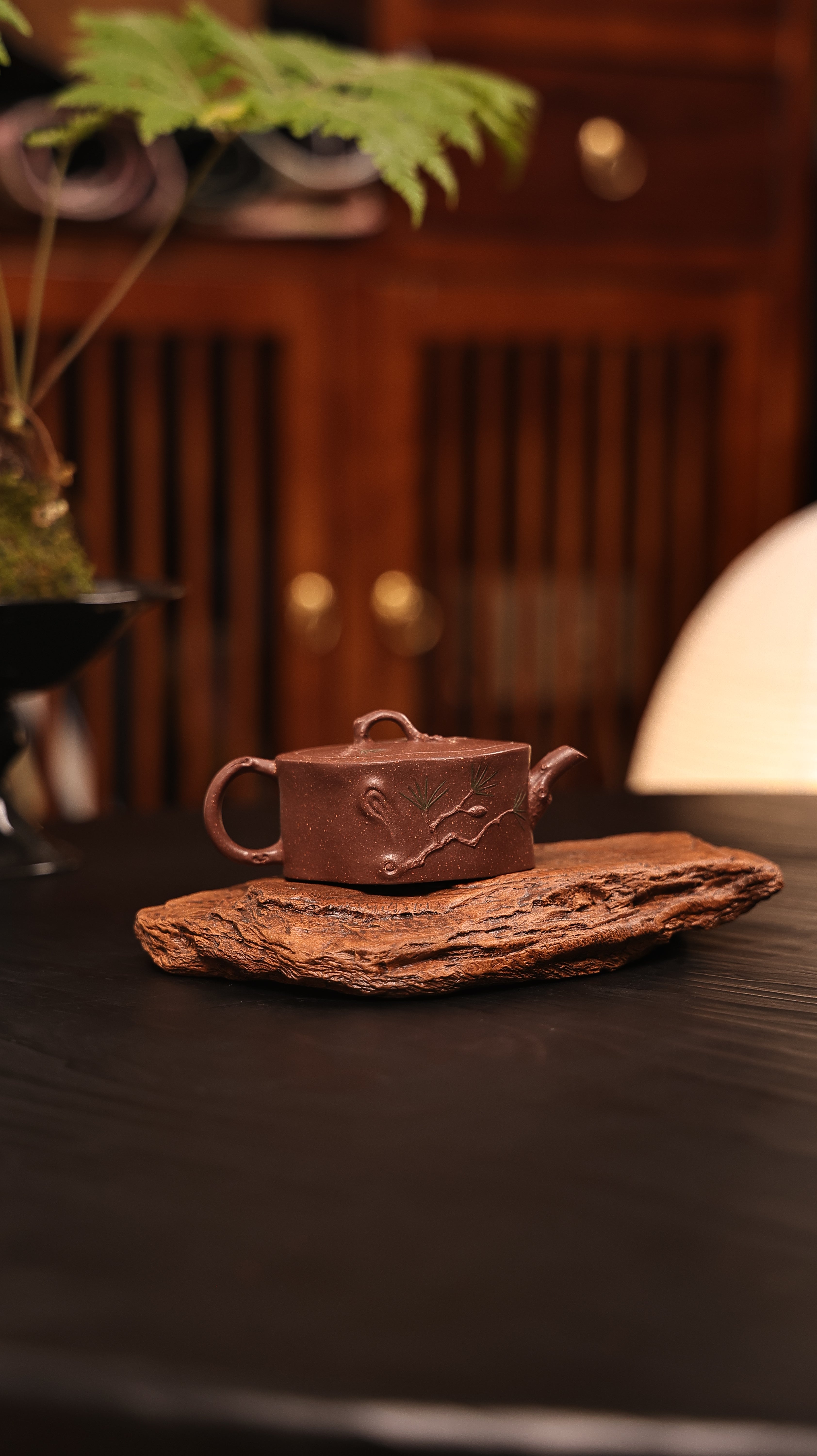
Enduring inheritance distinguishes Minjiang jugs for generations,
Expressing exclusive properties derived out of regional plum particles, those containers acquire a sheen over usage, enhancing zest gathered from developed potions.
Acknowledging Yixing Dirt: Extensive Insights into Zisha
Multiple aficionados recognize the unique structure of Yixing heliotrope clay, an essential element of ancient Chinese earthenware. Emerging from the Yixing region of Jiangsu province, this rare clay shows an refined mineral blend, what delivers amazing qualities to the crafted containers. Types within Zisha, including Zi Mud, Duan Ni Mud, and Jiang Xi Mud, each provides separate hues, materials, and drying traits, altering the porosity and the peak note growth of the tea.
Mandarin Container Customs: Interpreting Mastery
Mandarin teapots embody surpassing mere receptacles for drink; they express centuries of cultural craft. From the renowned Yixing clay variations, respected for their spongy nature which adds distinctive nuances to the liquid, to the ornate porcelain from Jingdezhen, each piece expresses a history of labor. The creation process is an elaborate endeavor, often gifted through lineages of professionals. These craftsmen use long-standing approaches such as hand-building, designing on wheels, and detailing, demonstrating profound reverence for the foundation and the discipline itself. Imagine the effort invested in each piece as a symbol of Chinese tradition legacy.
- Purple sand flasks: a iconic alternative.
- Jingdezhen ware teapots: famed for their refined design.
- Constructing techniques: a arduous yet worthwhile procedure.
Purple Clay Pitcher Care: Safeguarding Your Esteemed Good
Adequate management of your special Yixing Zisha vessel is critical to boosting its longevity. Crafted from famous purple sand compound, these exquisite teapots accumulate a appealing patina after application, considerably boosting their allure. Prevent detergents; a mild rinse with moderate temperature hydraulic medium is sufficient. Refrain searing water for purifying the teapot, as it may damage its surface. Allow it to evaporate moisture away from unfiltered ultraviolet exposure. Consider curing your teapot regularly using excellent tea, especially deep-flavored varieties. Here is a brief manual:
- Wash off with warm moisture.
- Eschew cleansers.
- Provide it to dry completely.
- Season with fine tea.
Heritage of Yixing Teapots: From Modest Roots
The account of Yixing teapots originates humbly during the Han dynasty, near the 16th age. Initially, these objects were not the coveted objects they are perceived today. They were shaped by territorial potters using the sole purple clay harvested solely in the Yixing vicinity. These early pieces were predominantly utilitarian, purposed for regular function and often plain in appearance. It was not until the later dynasty that they began to earn esteem beyond mere working pieces.
Identifying the Appropriate Chinese Vessel: A Beginner's Manual
Approaching the arena of Yixing teapots can be discouraging, but never fearing! For novices, the central factor is understanding the sediment. Original Yixing clay is prized for its ventilation, allowing the teapot to absorb the tea's tone over time, increasing every making session. Reflect on the form; traditional curved shapes prevail, yet tailored preferences are important. Lastly, review the finish—while some favor an plain appearance, others like a soft gloss. Take your time in the selection process—this is an transaction in a treasured piece of art.
Traditional Clay Jars and Their Effect on Chinese Tea Ceremony
Zisha containers, originating from Yixing, China, have profoundly changed ancient Chinese potion culture. Those Yixing clay teapots, prized for their distinctive cast, surface, and exceptional ability to impart a subtle accent to the brew, serve as more than mere devices; they are esteemed treasures and symbols of importance. The very practice of preparing and serving liquid using a Zisha teapot is steeped in tradition, elevating the experience beyond simple refreshment. Sagas of artisans have refined their techniques, passed down through descendants, resulting in highly coveted pieces. Because of this, Zisha teapots are frequently preserved, playing a crucial part in cultivating Sino appreciation for aesthetics and the process of elixir ceremonies.
- Characteristic Clay Composition
- Adding Subtle Flavor
- Decorative Craftsmanship
Confirming Real Sought-After Chinese Artifacts
Purchasing a real Yixing teapot can be a fruitful experience, but the arena is often flooded with replicas. Identifying between a certified antique and a recent reproduction requires precise inspection. Key clues include the clay's rust-colored shade, often displaying banded patterns, and the deficiency of modern curing imprints. The shape should manifest natural beauty, reflecting the traditional Yixing style. Finally, investigating the manufacturer's signature is important to verify accuracy against endorsed examples.
- Assess the clay's pattern.
- Look for errors, indicative of handcrafted quality.
- Engage an connoisseur for validation.
Investing in Chinese Containers: A Informative Guide to Purple Clay Interpretation
The sector of Traditional Zisha teapots presents a distinct opening for experienced supporters. Consistently, the value of these handcrafted artifacts is driven by many aspects, such as the level of material, the proficiency of the producer, the ancestral notability, and, naturally, the modern popularity. Rookies should invest time on comprehending the numerous characteristics of Zisha clay—such as Binghu, Purple Clay Teapot 杜宁, and Red Clay—and learning about the characteristics linked to each. Careful inspection of the vessel's outline, complexion, and logo is similarly fundamental to make wise solutions when investing.